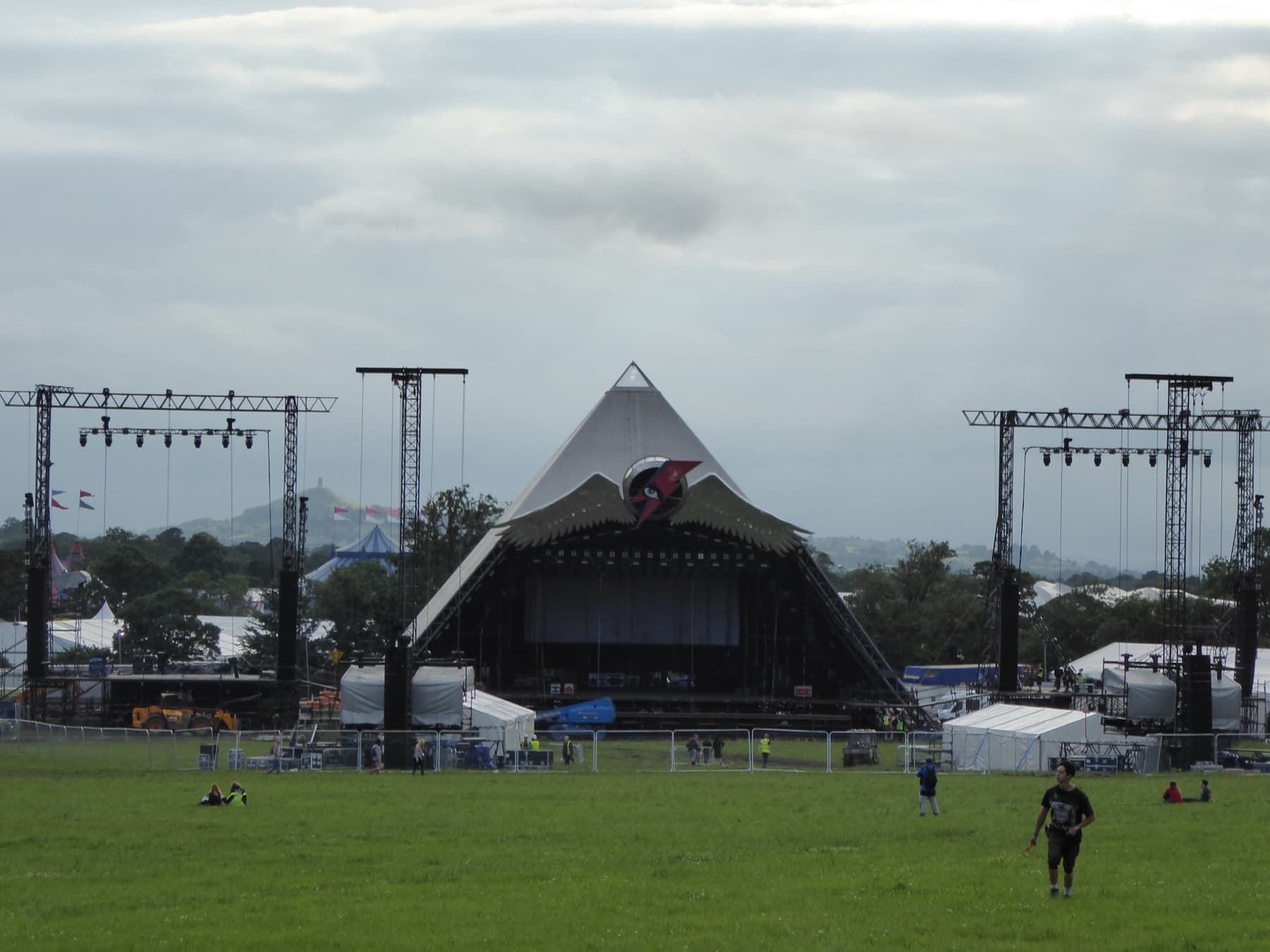
Every few years the British festival market runs an experiment on itself. Glastonbury stops, and everyone else finds out what the festival at Worthy Farm was doing to them. The summer of 2026 was one of those years. Emily Eavis had confirmed it two summers earlier. "We're taking a fallow year in 2026 to give the land a rest," she told the festival's own newspaper, in an interview carried by Access All Areas. The previous planned break was in 2018, NME notes, with 2020 and 2021 lost to the pandemic.
Nobody has published a measurement of where Glastonbury's ticket-holders went instead. What the season's record does show is who launched, who grew, who fell, and what happened the moment Glastonbury went back on sale.
The independents: steadier, and still losing events to the box office
The Association of Independent Festivals counted 20 UK festivals cancelled, postponed or taking a fallow year by 10 June, as Festival Insights and Pollstar reported. It counted 43 in all of 2025 and 78 in 2024, so the trend is down. By early August its chief executive, John Rostron, was speaking of "over 30 cancellations" in an interview published by Ticket Tailor, while arguing that more events had started than stopped: "This year is the first year where things really feel like they've steadied."
The reasons given by the ones that fell are the telling part. WOMAD Glasgow cancelled its first edition, due on 3 and 4 July, saying that sales "did not reach the level required to deliver the festival sustainably in its inaugural year", in the statement quoted by Pollstar. Heritage Live called off its August series at Sandringham, with Christina Aguilera, Eric Clapton and Lionel Richie on the bill, citing "far lower than average ticket sales", as Festival Insights reported.
In the one summer when Glastonbury was not competing, new and mid-sized events were still failing to sell. Rostron's own summary in June was that demand is strong and the squeeze is on margins: "Mostly, we're seeing very strong demand from audiences, and some record sellouts, but independent festival promoters are seeing their margins become ever thinner", he said.
The record sell-outs went to festivals with an audience of their own. The 25,000-capacity Green Man had sold out its 2026 edition in just over an hour the previous September, before announcing a line-up, according to Access All Areas.
The majors: a launch and a claim
At the other end of the market, AEG Presents launched Roundhay Festival in Leeds, announced in September 2025 with Lewis Capaldi as its first headliner, as Music Business Worldwide reported. It ran from 3 to 5 July with a capacity of 69,999, Pitbull on the Friday, Capaldi on the Saturday and the Hallé Orchestra on the Sunday, per Time Out. No attendance figure has been published that we could find. A review in Leeds Living described the festival as "already set to return next year".
Festival Republic rebuilt Reading and Leeds, with five new stages and, for the first time in 26 years, a headline bill made up entirely of British and Irish acts. Afterwards the organiser said the twin festival had been Europe's largest of the summer, with over half a million in the audience across its two sites, in a release published on Live Nation Entertainment's newsroom on 2 September. That is the organiser's figure, and it is evidently a count of attendances over the weekend and not of ticket-holders: managing director Melvin Benn had told Pollstar in July that the two events sell "somewhere between 250,000 and 275,000 tickets" between them, at capacities of 105,000 and 95,000.
Benn's explanation for the overhaul was not Glastonbury. His competitor is the stadium tour, and a festival has "got to be offering more than what a stadium offering is".
The structure behind those two moves is set out in the AIF's own market forecast, as summarised in the Ticket Tailor piece: of 592 UK music festivals, four hold 80,000 people or more, and Live Nation owns all but one of the four. The exception is Glastonbury.
The return: 42 minutes at £408
The clearest data point of the fallow year came after the summer. General sale for Glastonbury 2027 opened at 9am on Sunday 4 October. Euronews reported the allocation gone in 42 minutes, with no act announced, at £408 including a £5 booking fee, the first time the ticket has passed £400 and nearly £30 more than in 2025. The festival's information page confirms the price and the sell-out.
What the year off showed
Read together, the record does not support the comfortable idea that a Glastonbury break hands a season to everyone else. Demand in 2026 was strong and specific. It went to festivals people already trust, at any size, and it waited for Glastonbury itself. The capital to build a new 69,999-capacity event or to rebuild a pair of festivals sat with two of the industry's largest promoters. An independent launching into the same summer met the same box office as in any other year.
What to watch
- 23 to 27 June 2027. Glastonbury's return, per the festival. Balances on the £100 deposits are due from 1 to 7 April 2027, and a resale of cancelled and returned tickets follows in spring.
- 26 to 29 August 2027. Reading and Leeds, dates shown on the festival's site. Tickets went on general sale on 11 September. The first year back in competition with Glastonbury will test the half-million claim.
- Roundhay Festival, year two. A second edition has been reported but, as far as we could find, not dated. Its date relative to Glastonbury's is the detail to look for.
- The AIF's year-end count. The association's running total stood at more than 30 in August. Its final figure for 2026, set against 43 and 78, will say whether the fallow summer was a floor.
Sources: Access All Areas and NME on the fallow year; Festival Insights, Pollstar and Ticket Tailor on the AIF figures; Festival Insights on Heritage Live; Access All Areas on Green Man; Music Business Worldwide, Time Out and Leeds Living on Roundhay Festival; Live Nation Entertainment, Pollstar and readingfestival.com on Reading and Leeds; Euronews and glastonburyfestivals.co.uk on the 2027 sale.