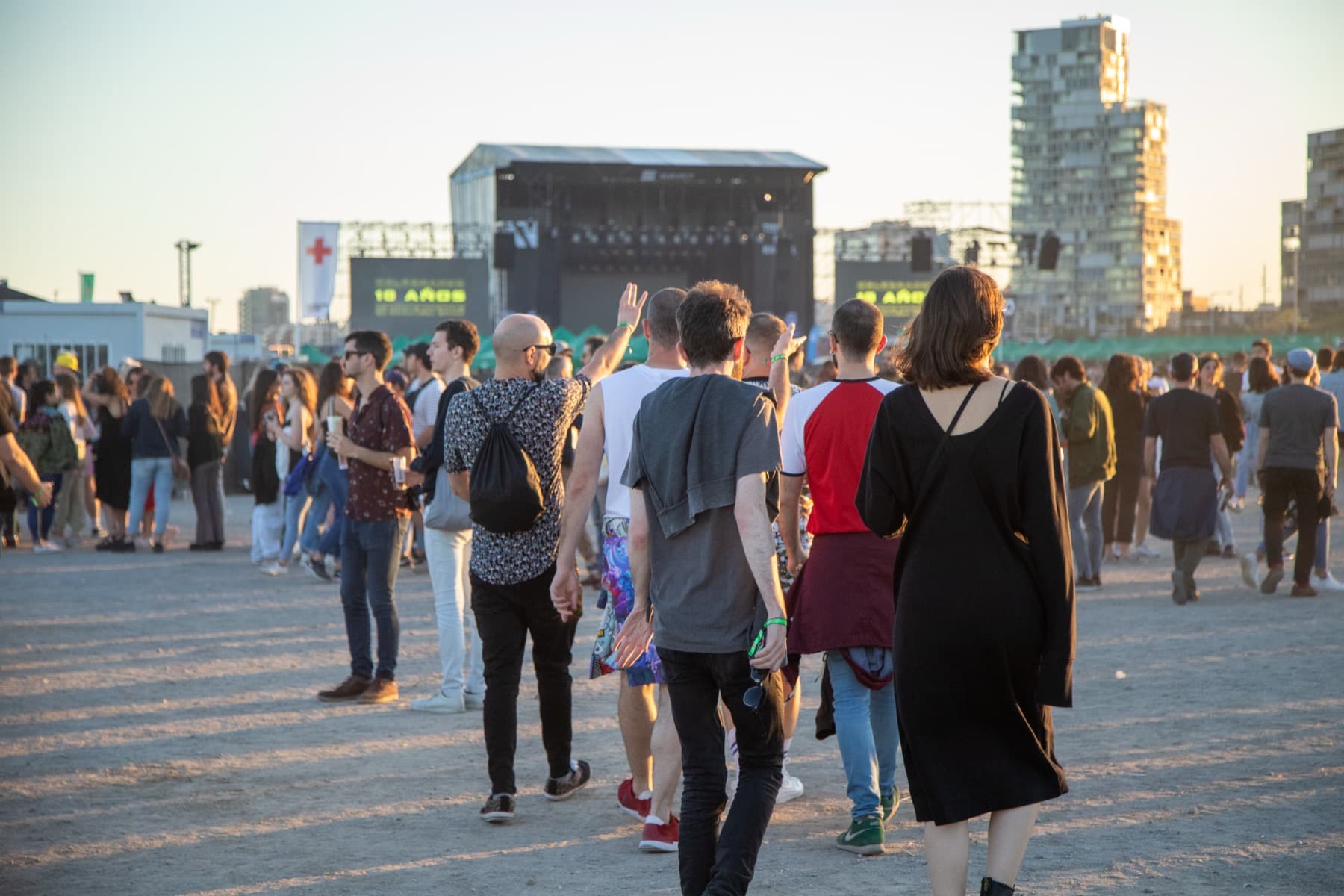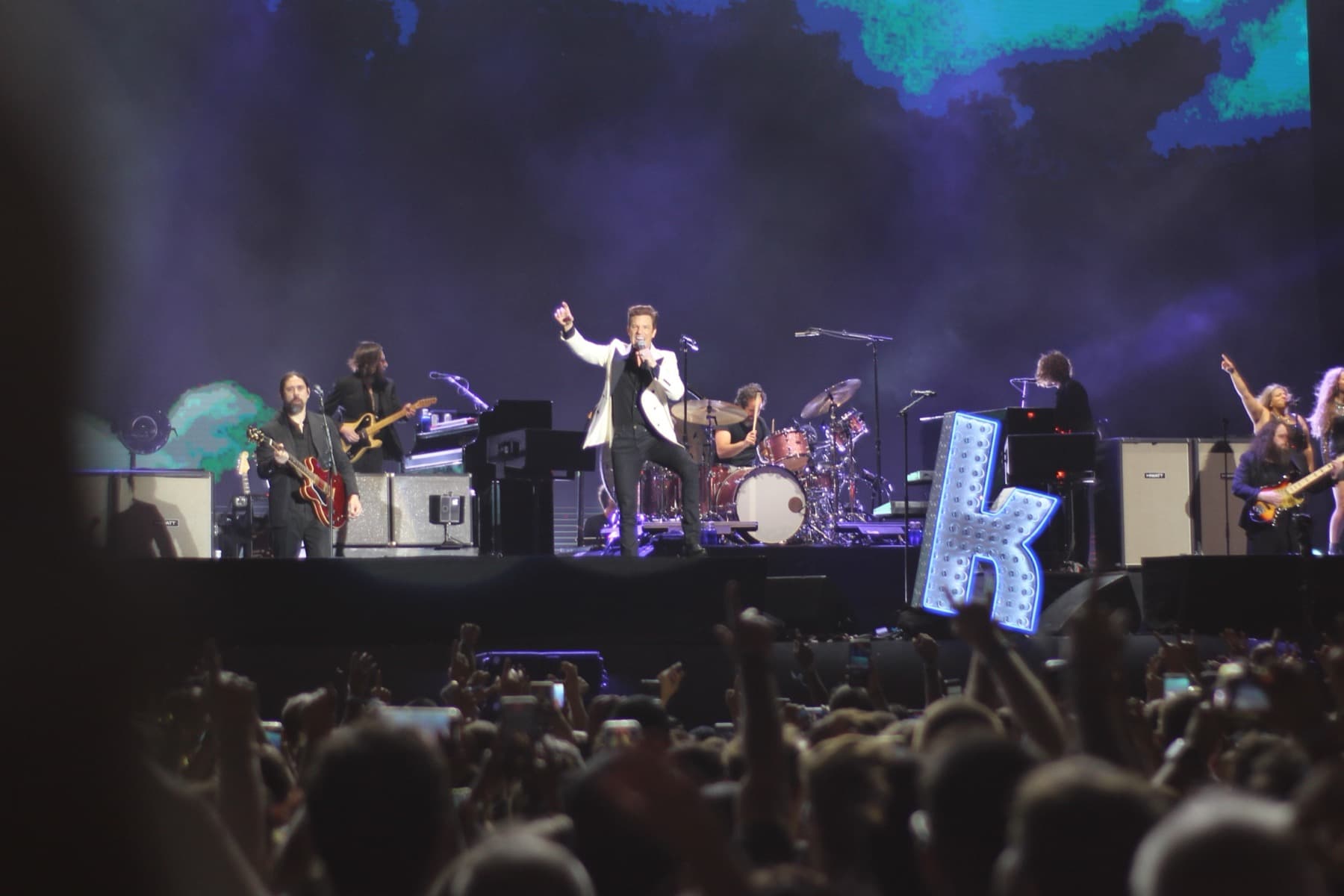
Mad Cool spent the winter before its tenth anniversary telling its public that the festival would get smaller. Three months after the last note, the organiser's own website carries a banner thanking 215,000 attendees across five stages, four days and more than 80 artists. Both things turned out to be true, and the way they fit together says something about where big city festivals find growth in 2026.
The promise: fewer people, fewer stages
When the Madrid festival presented its anniversary format in November 2025, the headline change was capacity. As Artículo 14 reported, the organisers said the Iberdrola Music site in Villaverde would be limited to 50,000 people a day, a response to the satisfaction surveys the festival runs each year, and that each day would have its own stylistic identity.
The site was redrawn to match. NME reported in June that the number of stages was cut to five and that the festival was moving away from its twin main stage layout, with 40 per cent more shade. La Ganzúa counted two stages fewer than in 2025.
Director Javier Arnáiz had framed all this to Pollstar in December in one line: "Reinvention isn't optional anymore."
The result: the same crowd, one more time
The edition ran from Wednesday 8 to Saturday 11 July. The daily figures that surfaced during the week do not look like a 50,000 cap. La Ganzúa reported the opening day, with Foo Fighters at the top, as a sell-out of 55,000 tickets, and cited the organisers for up to 57,000 attendees. El Diario de Madrid gave 53,000 for the third day, led by Twenty One Pilots, Kings of Leon and Pixies. The festival's own closing note put the final night, with Nick Cave & The Bad Seeds, Pulp, David Byrne and The Black Crowes, at 48,000.
That note speaks of more than 200,000 people over the four days. The festival's homepage now states 215,000. We could not find an organiser explanation of how the 50,000 limit announced in November became 55,000 tickets in July.
Put the totals next to the previous year and the pattern is plain. In 2025, IQ Magazine reported, citing the organisers, that Mad Cool drew 162,000 fans across three days. That is 54,000 a day. In 2026, 215,000 across four days is just under 54,000 a day. The average crowd is the same to within a few hundred people. The whole of the increase, about 53,000 attendances or roughly a third more than 2025, is the fourth day.
So the festival did deliver a different layout inside the fence: fewer stages, no twin main stages, more shade. It did not deliver a smaller event. It delivered the same event one more time.
Why a fourth day is the cheapest growth available
The logic is not hard to reconstruct. The same IQ report put Mad Cool's 2025 budget at €21 million and the economic impact, in a study by the consultancy Metyis released by the organisers, at €50.5 million, of which €36.7 million benefited the Madrid region. A site, a licence, a production build and a transport plan are largely fixed costs. An additional night spreads them over more tickets without asking the ground to hold more people at once.
It also answers a booking problem. With five stages and themed days, a fourth night creates another top-of-bill slot to sell as a day ticket. Pollstar reported day tickets from €105 and full passes from €250 when sales opened.
What the extra day does not fix is what happens outside the fence. Infobae reported after the first night that the journey home was again the dominant complaint, despite a mobility plan that cost more than €540,000, was paid for entirely by the organisers and extended commuter trains until 3:30 am. The same report quotes the residents' platform Stop Festivales Villaverde objecting that improvements were being made for attendees and not for neighbours. A fourth day means a fourth night of that.
What it says about the circuit
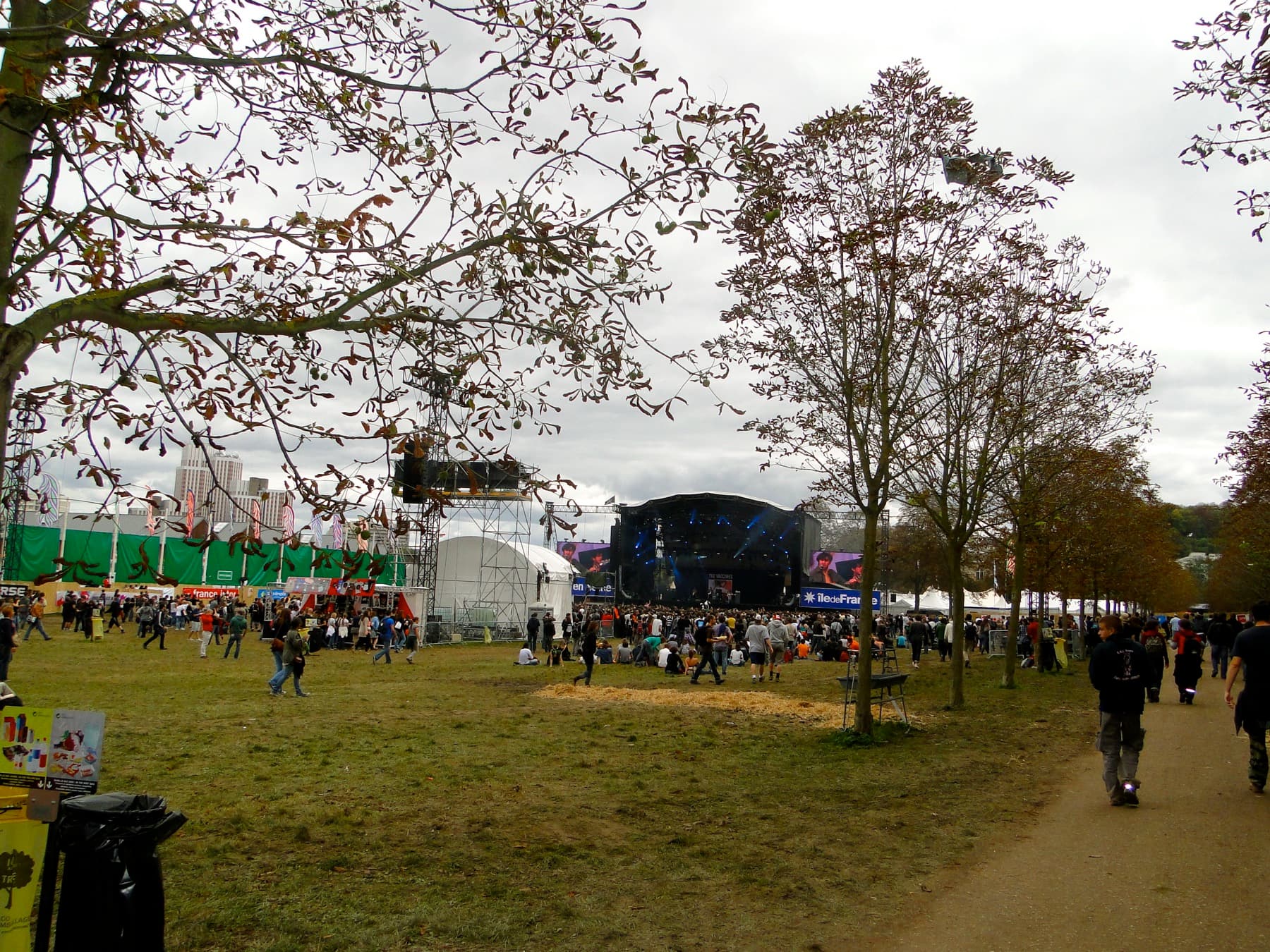
Mad Cool is not the only one stretching the calendar. Rock en Seine, outside Paris, went from three days to four in 2022, as IQ Magazine reported at the time, and ran five this August. The pressure on a large urban festival runs in two directions: audiences and neighbours want fewer people on site, and the accounts want more tickets. Adding days, as opposed to adding capacity, satisfies both on paper. The cost is carried by the people who live next to the site and by the artist market, which has to supply one more headliner per festival.
What to watch
- Dates for 2027. As of 13 October the festival's site shows no dates for next year. Madrid's tourism portal esMADRID lists Mad Cool for July 2027 at Iberdrola Music, with dates to be confirmed.
- November. The 2026 format and bill were presented around 10 November 2025, and general sale opened on 4 December, per Pollstar. A similar calendar would put the next announcement within weeks.
- Three days or four. Whether the fourth day was an anniversary one-off or the new shape is the single most informative line of the next announcement.
- The stated daily capacity. If the organisers again publish a per-day limit, it can be checked against the day-by-day figures they release in July.
Sources: Mad Cool Festival homepage and closing note (3 August 2026); IQ Magazine; Pollstar; NME; Artículo 14; La Ganzúa; El Diario de Madrid; Infobae; esMADRID.