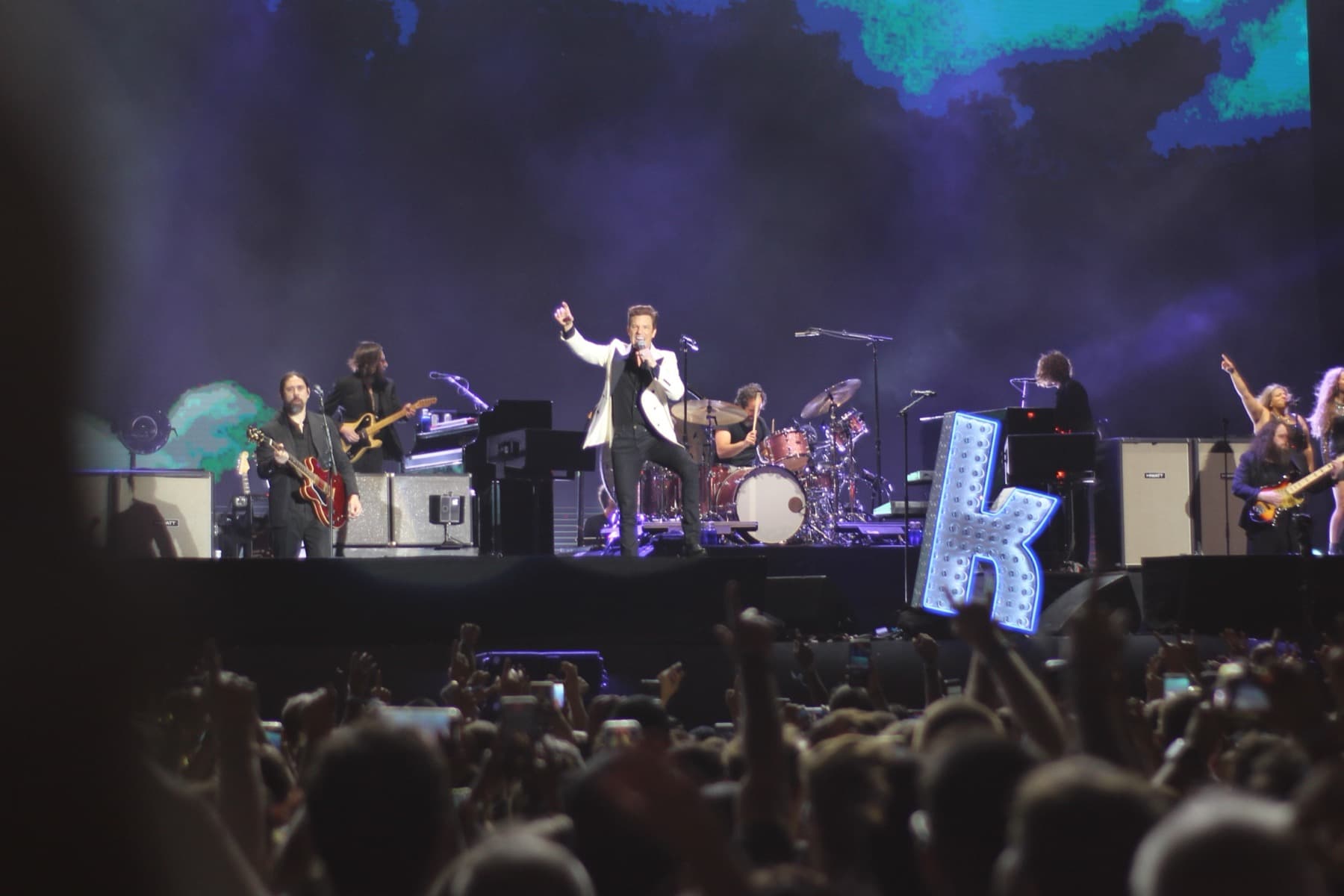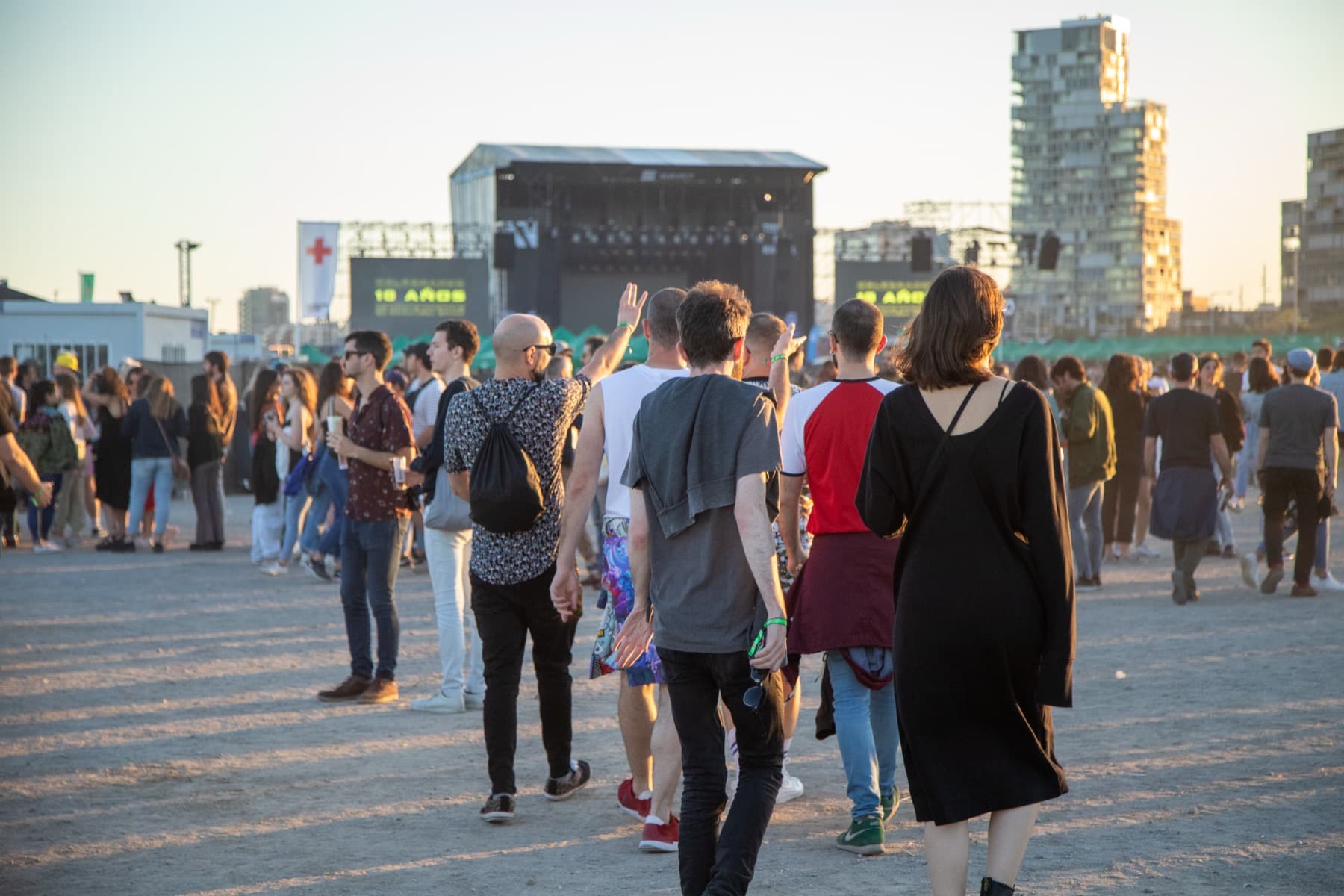
Sónar's 33rd edition, held from 18 to 20 June, was the one in which almost everything about the Barcelona festival changed at once: the site, the ticket, the management and the way it counts its public. Looking back from October, the last of those is the one that tells the circuit most.
One venue, one ticket, a new director
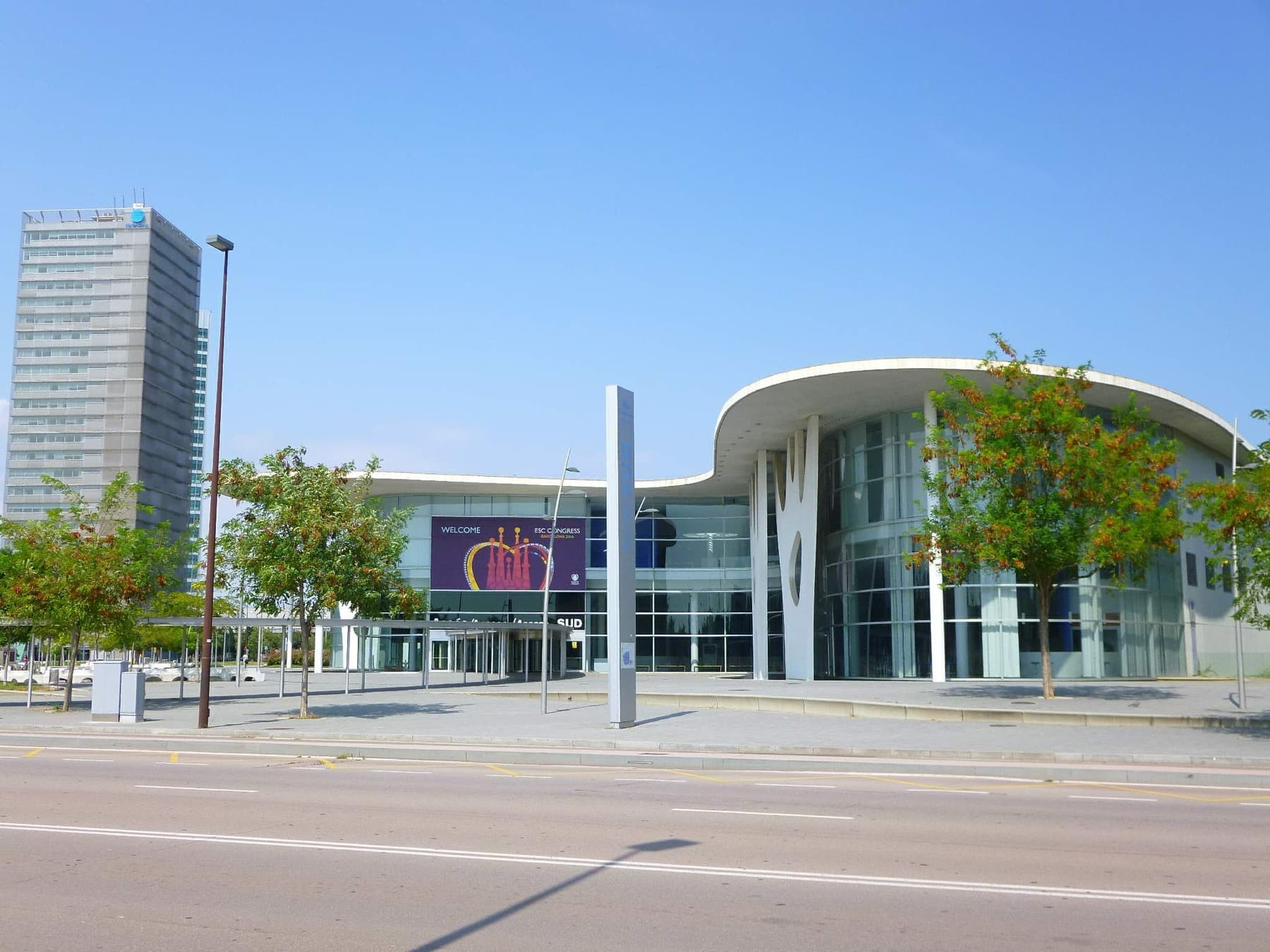
Until 2025 Sónar was two festivals in one: Sónar by Day at the Montjuïc fairground and Sónar by Night in the halls of Fira Gran Via, in L'Hospitalet de Llobregat, which had hosted the night edition since 2001. In 2026 that split ended. With the Montjuïc site under works, all the music moved to Fira Gran Via, with a single entrance and a single ticket, as Ara reported in May. Performances began at 17:00 and ran until 03:00 on Thursday and 07:00 on Friday and Saturday. Day tickets cost €44 for Thursday and €89 for Friday or Saturday.
The Sónar+D conference was detached and sent to the Llotja de Mar, in the old city. Pollstar reported more than 4,000 attendees and 200 speakers from over 20 countries there.
The people changed too. Founders Sergio Caballero, Enric Palau and Ricard Robles, who started the festival in 1994, stepped away from its management in October 2025, as Mixmag reported at the time. The new chief executive is François Jozic, co-founder of Brunch Electronik. Mixmag's account sets out the ownership chain: the founders sold a majority to Superstruct Entertainment in 2018, and the investment firm KKR acquired Superstruct in June 2024. That chain is what triggered the crisis of 2025, when 34 artists cancelled their Sónar shows, according to Catalan News.
Jozic presented the 2026 edition to the press as "más Sónar que nunca", more Sónar than ever, in the words quoted by Ara.
What the 150,000 does and does not say
The closing statement, as published by DJ Culture Mag, put attendance at more than 150,000 people across Sónar Week, with over 100 performances and a final day of 14 hours of music on six stages, including The Prodigy's first appearance at the festival.
Ara's closing-night report, by Xavier Cervantes, is the piece that reads the figure properly. It attributes the 150,000 to the festival's management and notes that it is a global number. It includes Sónar Kids (1,500 people), Sónar+D (4,000), the Sónar District parties at Parc del Fòrum and OffSónar at Poble Espanyol. What it does not include is a separate count for the three music days at Fira Gran Via.
In 2025 the festival did itemise. Ara gives last year's 161,000 as 52,000 at Sónar by Day, 66,500 over the two nights and 42,000 at OffSónar. That is 118,500 people inside the two festival venues.
Set that beside the capacity Ara reports for the new single site: 22,500 on Thursday and 42,000 on each of Friday and Saturday, or 107,500 across the three days. On those figures, a complete sell-out of every day in 2026 would still have been 11,000 short of what the old two-site model delivered a year earlier. And the edition did not sell out: Ara's reporter found Friday and Saturday well attended, above all after 22:00, and Thursday at barely half capacity.
Before the gates opened, Jozic's forecast, as reported by the same paper, was 160,000 for the festival and Sónar Week combined. They landed at 150,000. If the reporter's impression of Thursday is right, the three days at Fira Gran Via cannot have passed roughly 96,000, which would leave at least 54,000 of the total outside the main venue, against 42,000 at OffSónar a year earlier. That is our arithmetic on Ara's figures, not a number the festival has given. It has not published the split, and nobody else can.
The quiet edition
The other thing the retrospective shows is how thoroughly the politics of 2025 left the stage. Cervantes notes that the festival remains owned by KKR, and that this year there were no Palestinian flags on stage. The loudest slogan was a different one, shown on the screens during Charlotte de Witte's Friday set: "Proteged la cultura de club", protect club culture.
Musically, Ara describes continuity, because much of the bill was closed by the previous management. Its verdict is that the 2027 edition will be the first to show what Jozic's Sónar actually is.
For the wider circuit the point is about measurement. The attendance figures festivals publish are their own, and the definition can change from one year to the next. When a festival consolidates sites, folds satellite events into its total and stops itemising, a fall of 11,000 in the headline may understate or overstate what happened at the core. Sponsors, agents and public funders are left comparing a week with a weekend.
What to watch
- 17 to 19 June 2027. Dates of the next edition, confirmed on sonar.es, with Sónar Week running to 20 June according to Pollstar and DJ Culture Mag. The site does not yet say where it will be held.
- 1 March 2027. The deadline for refunds on the new "flex" presale tickets, which let buyers cancel for a full refund, per the festival. The presale, with a SonarPass at €155, has closed. A no-questions refund is a concession that says something about how much trust the organisers think they need to rebuild.
- General sale. The festival says general ticket sales for 2027 begin "after the summer". No date had been published on its news page as of 13 October.
- The first Jozic line-up, and whether Montjuïc returns. Ara ties the end of Sónar by Day to works at the Montjuïc fairground. Whether the single-site format is a choice or a stopgap will be clear when the 2027 venue is named.
- The breakdown. If the 2027 closing statement itemises Fira Gran Via again, 2026 can finally be placed.
Sources: Ara (closing report, 20 June 2026) and Ara (format changes, 13 May 2026); the festival's closing statement as published by DJ Culture Mag; Pollstar; Mixmag; Catalan News; sonar.es and its presale notice.